

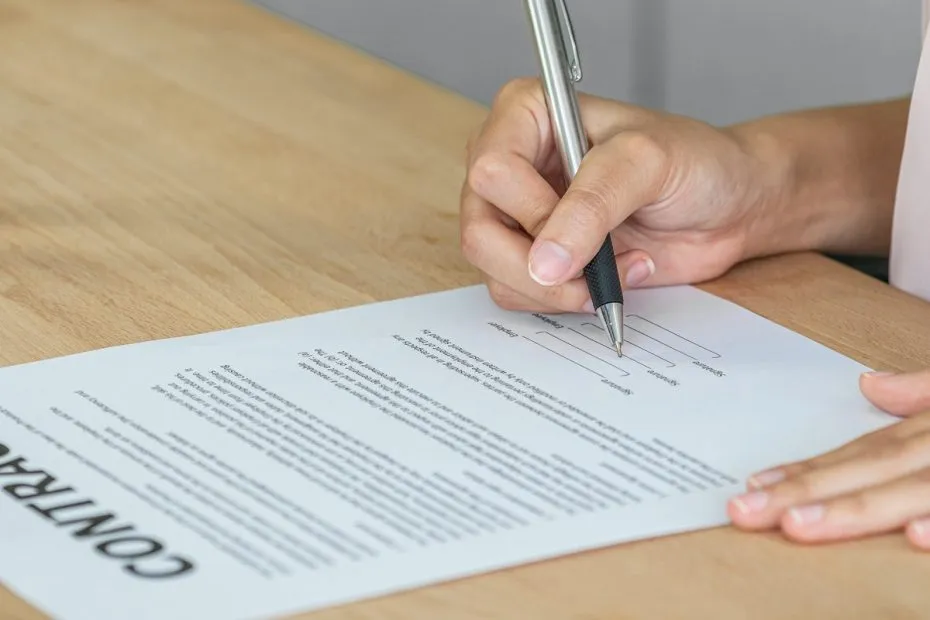
Receiving your first job offer is a proud moment. After weeks or months of applications and interviews, it is tempting to sign the letter straight away and share the good news. Before you do, take a little time to read it properly. An offer letter sets out the terms you are agreeing to, and understanding it now can save you confusion later. Here are the main points to check.
Role, Location and Joining Date
Start with the basics. Make sure the job title and department match what was discussed in your interviews. Check the place of posting and whether the company can transfer you to other locations. Note the joining date and the time and place where you need to report on your first day.
If anything is different from what you expected, ask about it politely before accepting. It is much easier to clear up a misunderstanding at this stage than after you have joined.
Understand the Salary Breakup
Many first-time employees focus on the total annual figure, often called CTC or cost to company. That figure usually includes several parts, and the amount that reaches your bank account each month can be quite a bit lower. Look for a breakup that shows items such as:
- Basic salary and allowances such as house rent allowance.
- Employer contributions, for example towards provident fund, which form part of CTC but are not paid to you monthly.
- Variable pay or performance bonus, which may depend on targets.
- Deductions such as professional tax or income tax, where they apply.
If the letter does not include a breakup, it is perfectly reasonable to ask HR for one. For public sector roles, pay is linked to set pay levels, and our article on public sector salary and allowances explains how that works.
Probation, Notice Period and Bonds
Most companies place new employees on probation for a period, during which the notice period and some benefits may be different. Check how long probation lasts and what happens when it ends.
Look closely at the notice period for resignation, as this affects how quickly you can move to another job later. Some employers, especially those that provide paid training, ask freshers to sign a service agreement or bond. If your letter mentions one, make sure you understand its terms clearly before you sign, and ask a trusted senior or an adviser if anything is unclear.
Documents and Background Checks
Offer letters often list the documents you need to bring on joining, such as educational certificates, identity proof, photographs and relieving letters from previous employers if you have any. Keep copies ready and never hand over original certificates unless you are clear about why they are needed and when they will be returned.
Many offers are also conditional on background verification or a medical check. Make sure the details you gave in your application are accurate, because differences can delay or affect your joining.
Ask Questions, Then Decide
Asking questions about your offer is normal and shows that you take the job seriously. Keep your tone polite and clear, and get any important answers in writing, for example by email. Once you are comfortable with the terms, sign and return the letter within the time given.
Your first job is the start of a long journey. A careful read of the offer letter helps you begin it with clarity and confidence. If you are still in the interview stage, our job interview tips will help you get there.